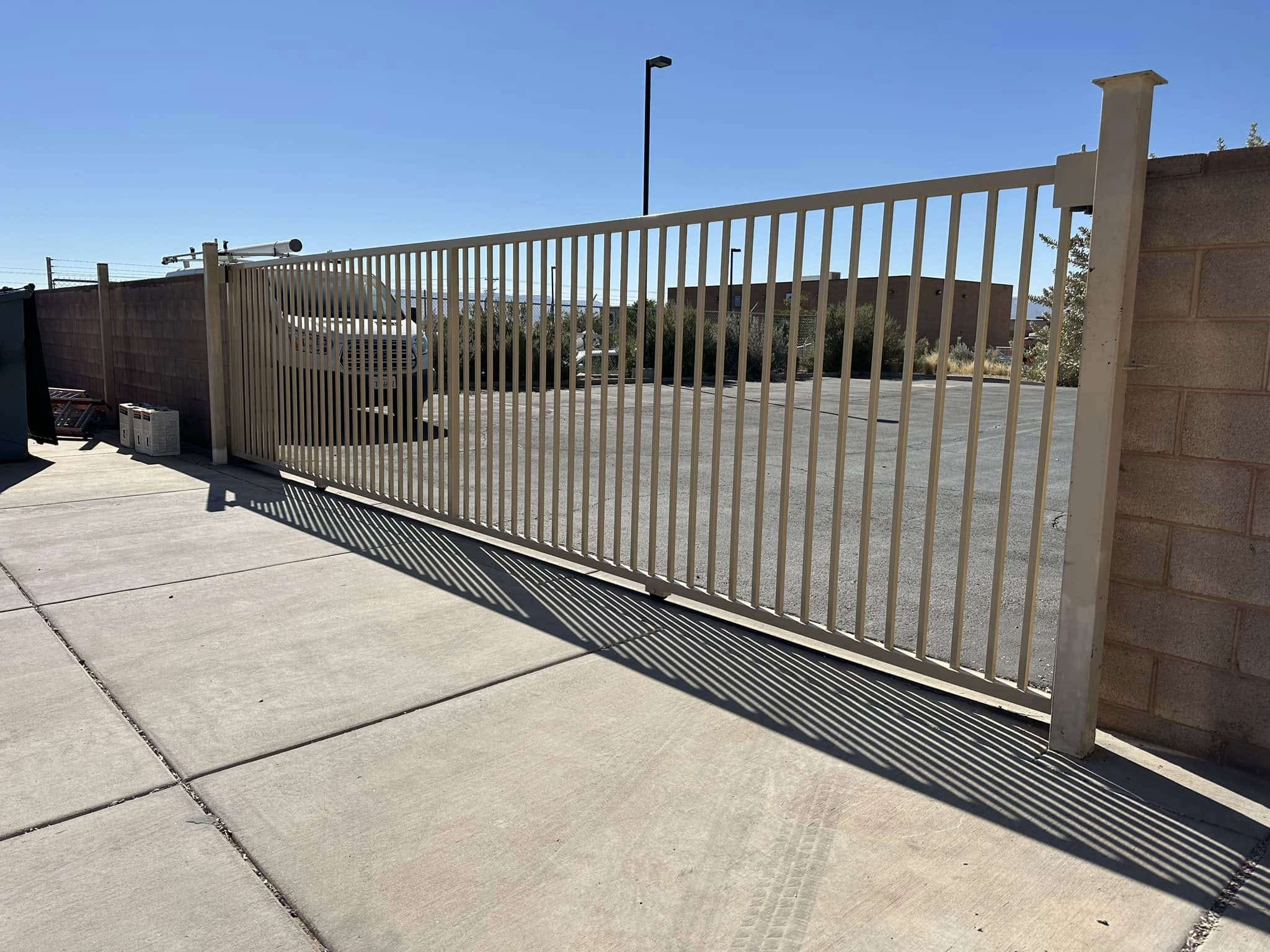
Mastering Heat Control: Techniques for Optimal Weld Quality at Sparx Welding Jun 16, 2026
Controlling heat is fundamental to achieving high-quality welds. Excessive heat can lead to warping, weaken the structural integrity of the material, and cause other defects such as cracks or burn-through. Conversely, insufficient heat can result in poor penetration, leading to weak seams. The key lies in finding the perfect balance, which ensures strong, durable welds.
One of the primary techniques we employ at Sparx Welding for effective heat control is adjusting the welding speed. Faster welding speeds can reduce heat input but may risk inadequate fusion, while slower speeds increase heat input, potentially causing distortion. Our expert welders are trained to fine-tune their welding speed based on the type and thickness of the material being welded, ensuring optimal heat application.
Selecting the right welding technique also plays a pivotal role. For instance, in Metal Inert Gas (MIG) welding, controlling the wire feed speed and voltage is vital. Too much voltage can increase the heat beyond necessary levels, while the correct feed speed ensures even heat distribution. Similarly, in Tungsten Inert Gas (TIG) welding, mastering the technique of controlling the arc length and travel speed is necessary for precise heat management.
Preheating is another strategy we use, especially for thicker materials or alloys prone to cracking. By pre-warming the material, we can reduce the temperature gradient between the weld pool and the base metal, minimizing the risk of thermal shock and subsequent cracking. Our team at Sparx Welding assesses the need for preheating on a case-by-case basis, tailored to the material characteristics and specific weld requirements.
The choice of electrode plays its part as well. Using the right diameter and type of electrode can influence the weld bead’s heat input. Larger electrodes may introduce more heat, while smaller ones require higher electrical current to maintain the necessary temperature, impacting the outcome of the weld.
At Sparx Welding, we also emphasize proper post-weld cooling practices. Rapid cooling can be as detrimental as excess heat during welding. Gradual cooling helps alleviate internal stresses and prevents the formation of unwanted microstructures, which can compromise weld quality. Techniques such as controlled cooling rates or wrapping welded structures in insulating materials are common practices we utilize.
In conclusion, mastering heat control is fundamental to achieving optimal weld quality. At Sparx Welding, our commitment to precise heat management not only ensures durable and robust welds but also emphasizes our dedication to quality craftsmanship. By leveraging techniques such as adjusting welding speed, selecting appropriate welding methods, preheating, and choosing the correct electrodes, we consistently deliver results that meet our clients' stringent standards. Trust in Sparx Welding for your welding needs, where meticulous attention to heat control translates into unparalleled weld strength and reliability.
/filters:no_upscale()/filters:format(webp)/media/f7826f1a-e25f-4f17-96b5-b4583cf5e69a.jpg)